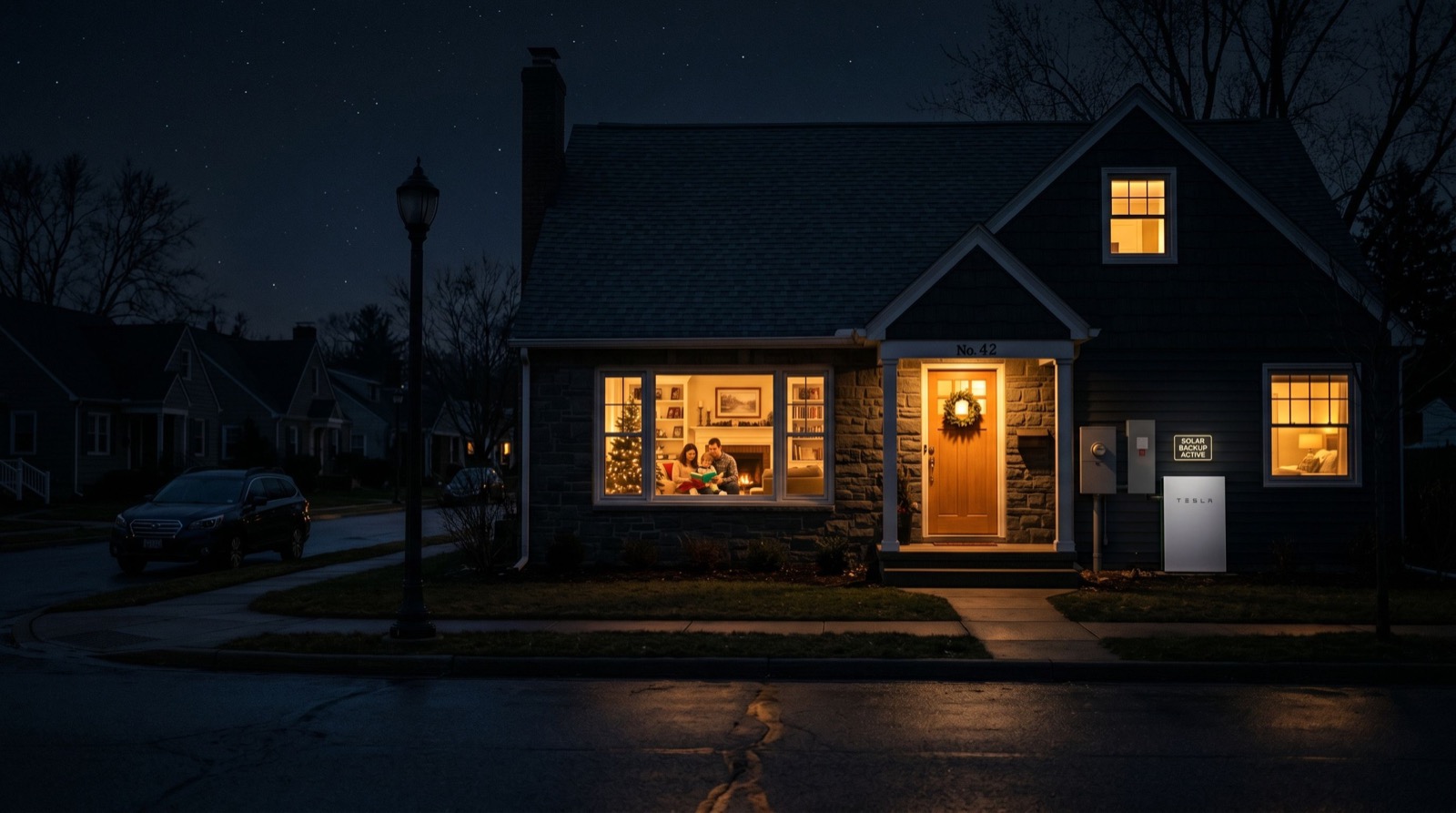

Electricity bills across Pakistan have climbed sharply, and homeowners in Kohat and the wider Khyber Pakhtunkhwa region feel it every single month. That pressure is exactly why so many families are finally asking a very practical question in 2026: what does a real solar setup actually cost, and is the number worth the switch? The honest answer is that solar pricing is far more transparent than most people assume once you break it down by kilowatt, panel type, and the balance-of-system parts that quietly add up.
This guide walks through current panel pricing, the hidden costs nobody mentions, and how a household in Kohat can budget realistically without getting burned. If you want a straight-talking solar company in Kohat to sanity-check your numbers, that helps too, but understanding the fundamentals first puts you in control of the conversation.
What Drives the Price of a Solar System in Pakistan?
People often fixate on the panel sticker price, yet panels are only one slice of the total. A complete grid-tied or hybrid system bundles several major components, and each moves the final figure. Understanding these line items keeps you from comparing an apples quote against an oranges quote.
- Solar panels: Usually the largest single cost, priced per watt. Tier-1 mono PERC and N-type panels cost more but degrade slower.
- Inverter: A string inverter is cheaper; a hybrid inverter that supports batteries costs more but unlocks backup power.
- Mounting structure: Rooftop rails, clamps, and elevated frames sized for local wind loads.
- Batteries (optional): Lithium or tubular lead-acid, the single biggest add-on if you want load-shedding backup.
- Wiring, protection, and labour: DC/AC cabling, breakers, earthing, and installation.
Because the rupee-dollar rate and import duties shift, panel and inverter prices move month to month. Always confirm today’s rate rather than trusting a figure you saw last year.
Solar Panel Pricing by System Size in 2026
Most Pakistani homes land between a 5 kW and 10 kW system depending on appliance load and whether air conditioning runs in summer. The table below gives realistic 2026 ballpark ranges for complete on-grid installations in the KPK market. Treat these as planning figures, not final quotes.
| System size | Typical home | Panels needed (approx) | Estimated price range (PKR) |
|---|---|---|---|
| 3 kW | Small home, fans + lights + fridge | 5–6 panels | 550,000 – 750,000 |
| 5 kW | Mid-size home, 1 AC | 8–10 panels | 850,000 – 1,150,000 |
| 7.5 kW | Larger home, 2 ACs | 13–15 panels | 1,250,000 – 1,650,000 |
| 10 kW | Large home / small shop | 17–19 panels | 1,700,000 – 2,300,000 |
Adding lithium battery backup for load-shedding typically lifts these numbers by 30 to 60 percent, which is why many households start on-grid and add storage later. For an updated breakdown of current per-panel figures, review the latest solar panels price in Pakistan before you commit to a package.
Why do quotes for the same size differ so much?
Two quotes for a 5 kW system can differ by hundreds of thousands of rupees. The gap almost always comes down to panel tier, inverter brand, cable quality, and whether the installer cut corners on structure or protection devices. Cheaper is not always a saving. A flimsy mounting frame that fails in a KPK windstorm costs far more than the money you saved.
Monocrystalline vs Polycrystalline: Which Panel Fits Kohat?
Panel chemistry directly affects both price and long-term output, especially in Kohat’s hot, dusty summers. Monocrystalline panels dominate the 2026 market for good reason, but it helps to know the trade-offs.
- Monocrystalline (mono PERC / N-type): Higher efficiency, better performance in heat and low light, smaller roof footprint. Slightly higher price per watt.
- Polycrystalline: Lower cost, slightly lower efficiency, and a bigger footprint for the same wattage. Increasingly rare in new installs.
For most Kohat rooftops where space is limited and summer temperatures are punishing, high-efficiency monocrystalline panels deliver more units per square metre and hold their value better over a 25-year life. The National Renewable Energy Laboratory notes that modern silicon modules typically retain around 85 percent or more of their rated output after 25 years, which makes panel quality a long-game decision, not a one-time purchase. You can read more on module degradation research from NREL’s photovoltaic research group.
Hidden Costs Kohat Homeowners Should Budget For
The advertised system price rarely tells the full story. Smart buyers pad their budget for these commonly overlooked items so there are no surprises on installation day.
- Net metering application: Fees and documentation to sell surplus power back to the grid.
- Structure upgrades: Elevated frames or ground mounts if your roof is shaded or weak.
- Longer cable runs: Extra DC cabling if the roof sits far from the inverter.
- Surge and lightning protection: Essential in areas with unstable supply.
- Annual cleaning and maintenance: Dust buildup can shave 10 to 20 percent off output if panels go unwashed.
Working with genuinely quality service providers matters here, because experienced teams flag these costs upfront instead of springing them on you mid-project.
How to Get the Best Value Without Overpaying
Value is not the lowest number on a quote. It is the best long-term output per rupee spent. A few disciplined habits protect your investment.
First, insist on Tier-1 panels and a reputable inverter brand with a local service presence. Second, verify the warranty terms in writing, both product and performance warranties, since these differ. Third, confirm the installer sizes the system to your actual consumption, not a padded figure that inflates the bill. Finally, ask for a projected payback period based on your current tariff, because a well-sized system in Kohat often pays for itself within five to seven years.
Frequently Asked Questions
How much does a 5 kW solar system cost in Pakistan in 2026?
A complete 5 kW on-grid system in the KPK market generally ranges from PKR 850,000 to 1,150,000 in 2026, depending on panel tier, inverter brand, and installation quality. Adding lithium battery backup pushes the figure higher.
Are solar panels worth it in Kohat given the climate?
Yes. Kohat receives strong year-round sunlight, and high-efficiency monocrystalline panels perform well even in hot summers. With rising grid tariffs, most households recover their investment within five to seven years and enjoy free power for decades after.
Should I buy the cheapest panels to save money?
No. The cheapest panels often degrade faster and produce fewer units over their life. Mid-tier and Tier-1 monocrystalline panels cost slightly more upfront but deliver far better value across a 25-year lifespan.
Can I start small and expand my system later?
Absolutely. Many Kohat homeowners begin with a grid-tied system and add battery storage or extra panels as their budget allows. Choosing a hybrid inverter from the start makes future expansion much simpler.
Conclusion: Budget Smart, Then Go Solar
Solar pricing in Pakistan is no longer a mystery once you separate panels from inverters, batteries, and the balance-of-system parts that quietly shape your total. For a Kohat household, the smart move in 2026 is to size the system to real consumption, choose quality monocrystalline panels, and plan for the hidden costs before signing anything. Do that, and solar becomes one of the best long-term financial decisions you can make. Ready to price a system built for your roof and your budget? Reach out for a transparent, no-pressure quote and start cutting your bills for good.