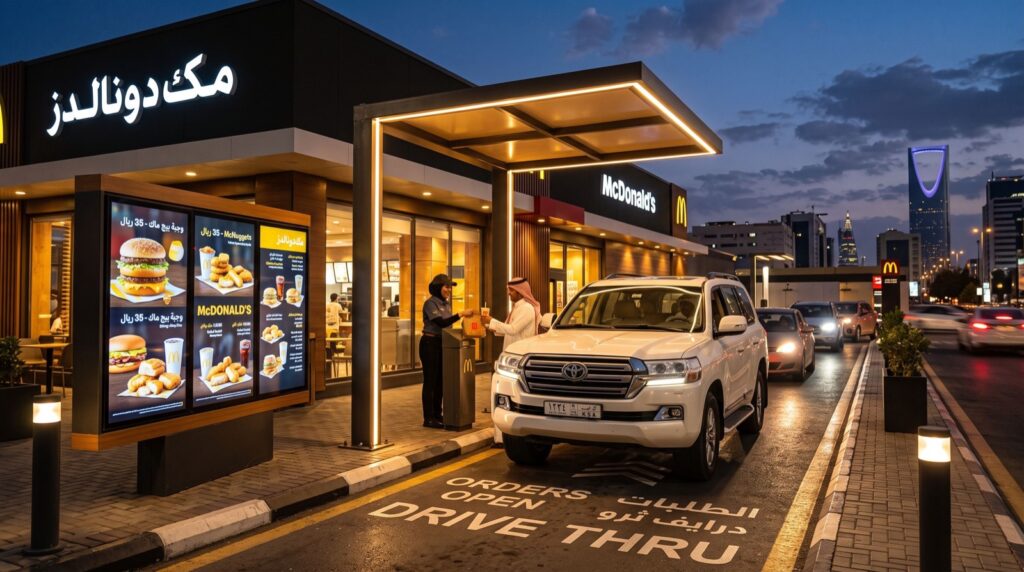
Drive Thru Solutions in 2026: How Smart Lanes Boost Speed, Sales, and Service
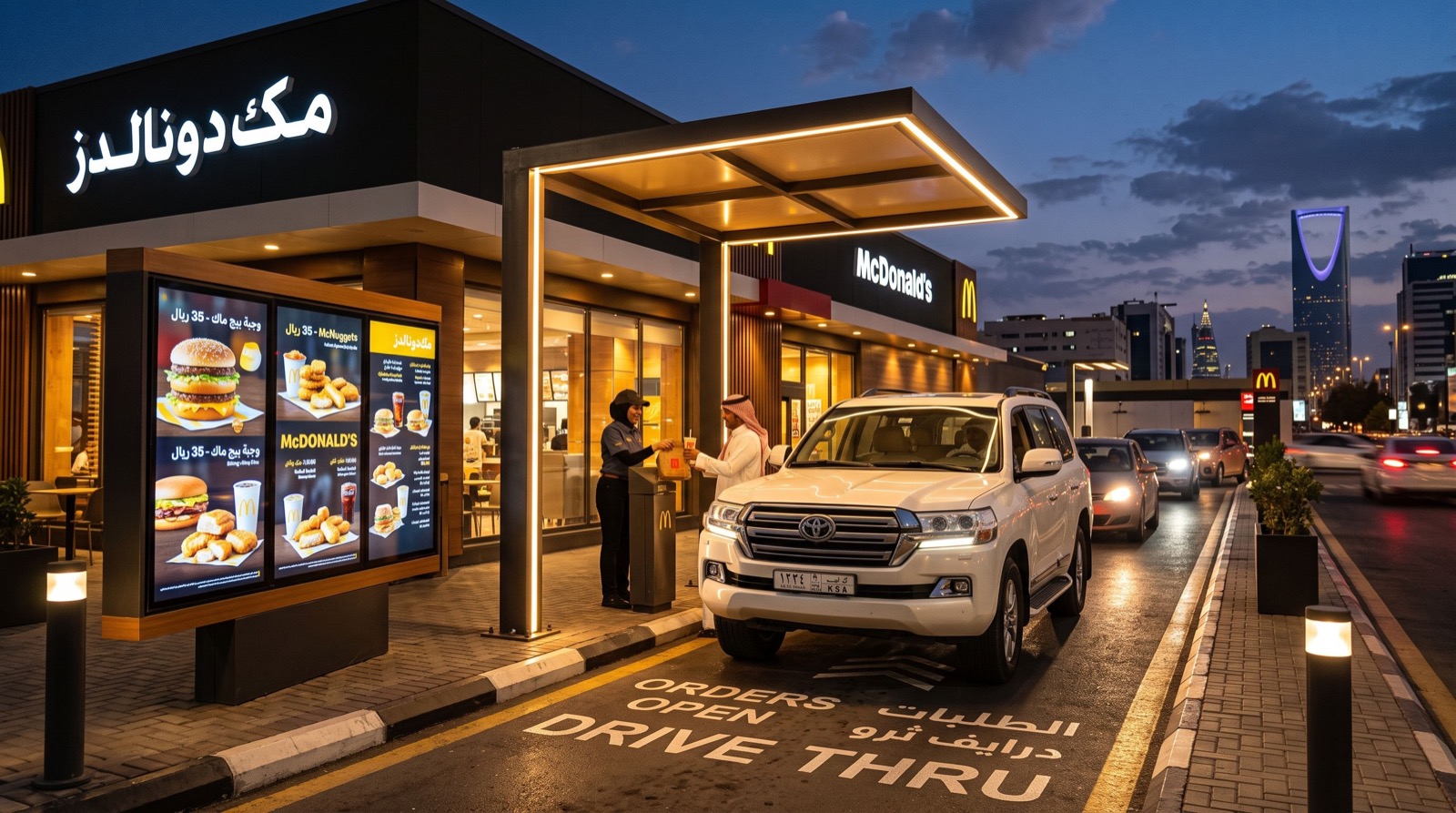
The drive-thru lane has become the front door of modern quick service. Reliable drive thru solutions now decide whether a restaurant wins the lunch rush or loses cars to the competitor across the street. In 2026, the technology behind the window matters more than ever.
This guide explains how modern drive-thru systems work, why audio and timing technology drive real revenue, and what to look for when upgrading your lane. Whether you run one location or a growing chain, faster and clearer service is the goal.
Why Drive Thru Solutions Are a Revenue Engine
For many quick-service brands, the drive-thru accounts for the majority of sales. A slow, garbled lane does not just annoy customers, it directly shrinks the number of cars you can serve per hour. Every second saved at the speaker post adds up to real money over a busy day.
Modern systems attack the problem on several fronts. Clearer audio reduces order errors. Timer analytics reveal where cars are stalling. Dual lanes and side-by-side ordering push more vehicles through the same footprint.
Consider the math. If your lane serves ninety cars an hour and you trim fifteen seconds off the average order, you free up capacity for extra vehicles during every peak. Over a full week, that gain translates into hundreds of additional transactions with no new staff and no bigger building. This is why operators treat the lane as an investment, not an expense.
Here is what a strong drive-thru setup delivers:
- Faster order taking with crisp, clear audio
- Fewer mistakes and remakes at the window
- Detailed timing data on every stage of the lane
- Higher cars-per-hour throughput during peaks
- A better, more consistent customer experience
How Does a Modern Drive Thru System Work?
A drive-thru is a chain of connected steps, and technology touches each one. When the pieces work together, the customer barely notices the machinery behind the smooth service.
The Core Building Blocks
Most professional lanes combine several components into one integrated system. Each part plays a specific role.
- Vehicle detection: sensors that know when a car arrives at the menu board.
- Audio system: speaker posts and staff headsets for two-way communication.
- Timer system: software that measures how long each stage takes.
- Menu boards: static or digital displays that present the offer.
- Reporting dashboard: analytics that guide staffing and process changes.
Experienced providers such as the Drive Thru Solutions team assemble these components into a reliable system tuned to your traffic and site layout.
The Heart of the Lane: Audio and Headset Technology
Nothing frustrates a drive-thru customer faster than repeating an order three times. Clear, noise-filtered audio is the single most important upgrade for accuracy and speed. It protects both the customer experience and your order margins.
What Great Audio Delivers
High-quality headset and speaker systems do far more than carry sound. They filter engine noise, wind, and background chatter so staff hear the order the first time.
- Noise cancellation: clearer voices even in loud outdoor conditions.
- Reliable range: stable connections across the lane and kitchen.
- Comfortable headsets: lightweight designs for long shifts.
- Durability: hardware built to survive weather and heavy use.
- Long battery life: units that last through peak service without swaps.
A trusted HME drive thru in saudi arabia solution brings professional-grade audio, timing, and support together in one package built for demanding quick-service environments.
From first-hand experience installing these systems, the audio upgrade almost always produces the fastest visible win. Staff stop asking customers to repeat themselves, order accuracy climbs, and the mood at the window improves within the first shift. It is the least glamorous part of the lane and yet the one customers notice most.
Comparing Drive Thru Configurations
Not every location needs the same lane design. The table below compares common configurations so you can match a setup to your site and volume.
| Configuration | Best For | Strength | Consideration |
|---|---|---|---|
| Single lane | Smaller sites, cafes | Simple, low cost | Limited peak capacity |
| Dual side-by-side | High-volume QSR | Doubles order-taking speed | Needs more space |
| Tandem lane | Busy urban sites | More cars in tight footprint | Careful traffic design |
| Digital menu + timers | Chains scaling up | Rich data and flexible offers | Higher upfront investment |
Using Data to Shave Seconds Off Every Order
Timer analytics are the secret weapon of top-performing drive-thrus. By measuring each stage of the lane, managers pinpoint exactly where cars stall and fix it. What gets measured gets improved.
Focus on these key metrics:
- Total time from menu board to hand-off
- Order-taking time at the speaker post
- Wait time at the payment and pickup windows
- Cars served per hour during peak periods
- Order accuracy and remake frequency
Choosing the right partner to install and support this technology is critical. Work with quality service providers who understand both the hardware and the operational side of running a fast lane.
For broader context on how connected devices and audio systems are standardized, the International Organization for Standardization publishes the frameworks that guide reliable commercial hardware worldwide.
Frequently Asked Questions
How much can drive thru solutions improve speed of service?
Results vary by site, but clearer audio and timer-driven process changes commonly shave meaningful time off each order. Even a few seconds per car adds up to many more vehicles served per hour during peaks, which directly lifts sales.
Do I need a dual lane, or is a single lane enough?
It depends on your volume and available space. Single lanes suit lower-traffic sites, while dual side-by-side or tandem lanes handle heavy peaks far better. A site assessment from an experienced provider will point you to the right layout.
What makes HME drive-thru audio different?
HME systems are known for strong noise cancellation, reliable range, and rugged hardware built for outdoor use. That combination keeps orders accurate and staff comfortable, even during long, busy shifts in tough weather.
Can I add drive-thru technology to an existing location?
Yes. Most systems retrofit onto existing lanes with minimal disruption. A professional installer handles wiring, mounting, and integration, often completing the work quickly to keep your business running.
Conclusion: Turn Your Lane Into a Competitive Edge
In 2026, the drive-thru is where speed and service meet revenue. The right drive thru solutions, backed by clear audio and smart timing data, help you serve more cars, cut errors, and keep customers coming back.
Ready to upgrade your lane? Contact an experienced provider, request a site assessment, and discover how modern drive-thru technology can grow your throughput and sales this year.